Ibogaine Treatment in The Bahamas
Explore the legal status, practical guidance, and verified ibogaine treatment centers in The Bahamas.
Is Ibogaine Legal in Bahamas?
The short answer is uncertain. Ibogaine is not explicitly listed in the reviewed Bahamian controlled-substance schedules. It does not appear alongside substances like heroin or cocaine that carry clear criminal penalties. This lack of explicit scheduling does not automatically make ibogaine legal for commercial use, importation, or medical administration.
Treatment centers do operate within the Bahamas. Their presence suggests some level of tolerance, but operating does not equal official authorization. The distinction matters. A clinic can exist in a regulatory gray zone where authorities have not actively prosecuted, yet the activity remains technically unregulated or potentially unauthorized under broader pharmaceutical or medical practice laws.
For anyone considering treatment, independent confirmation from relevant Bahamian authorities is recommended. This typically means contacting the Ministry of Health or the relevant drug regulatory body directly. Do not assume that because a clinic operates openly, they have formal government approval. In practice, this looks like clinics functioning in spaces where enforcement is absent rather than where explicit permission has been granted.
Where People From Bahamas Go for Ibogaine Treatment
Bahamian residents seeking ibogaine therapy face a particular calculation. Local options exist, but the regulatory uncertainty means many people prefer clinics in neighboring jurisdictions with clearer legal frameworks. Mexico remains the most common destination for English-speaking treatment seekers in the Caribbean region, with established clinics in Baja California and Quintana Roo.
Some Bahamians do access treatment domestically. The archipelago's geography, spread across hundreds of islands, means clinics can operate with significant distance from the central government in Nassau. This decentralization can cut both ways: less oversight, but also less accountability if something goes wrong.
Where people get stuck is verifying clinic legitimacy. Without a formal licensing system for ibogaine providers in the Bahamas, there is no public registry to check. Anyone evaluating a local clinic should ask directly about their medical staff credentials, emergency protocols, and cardiac screening procedures. Legitimate providers welcome these questions.
What to Know Before Pursuing Ibogaine Treatment in Bahamas
Travel logistics differ based on your starting point. U.S. citizens need only a passport for tourist entry, no visa required for stays under eight months. This accessibility makes the Bahamas convenient geographically, but convenience should not override due diligence on treatment quality.
Medical tourism for ibogaine carries inherent risks regardless of location. Cardiac events remain the primary safety concern. Any legitimate provider, Bahamian or otherwise, should require a recent EKG and comprehensive health screening before accepting you as a patient. If a clinic skips this step, consider it a disqualifying red flag.
The cost of treatment in the Bahamas varies significantly. Pricing information from specific facilities is not publicly standardized [source needed]. Expect to pay out of pocket entirely, as ibogaine treatment is not covered by any insurance. Factor in accommodation costs, potential need for extended recovery time, and follow-up care arrangements before committing to any program.
Finally, understand that medical emergencies in a legally gray environment create complications. Hospitals may be unfamiliar with ibogaine toxicity. Transfer to facilities in Florida for serious complications is geographically feasible but adds logistical and financial stress during a crisis. Plan for this possibility rather than hoping it will not happen.
Ibogaine Treatment Centers in The Bahamas
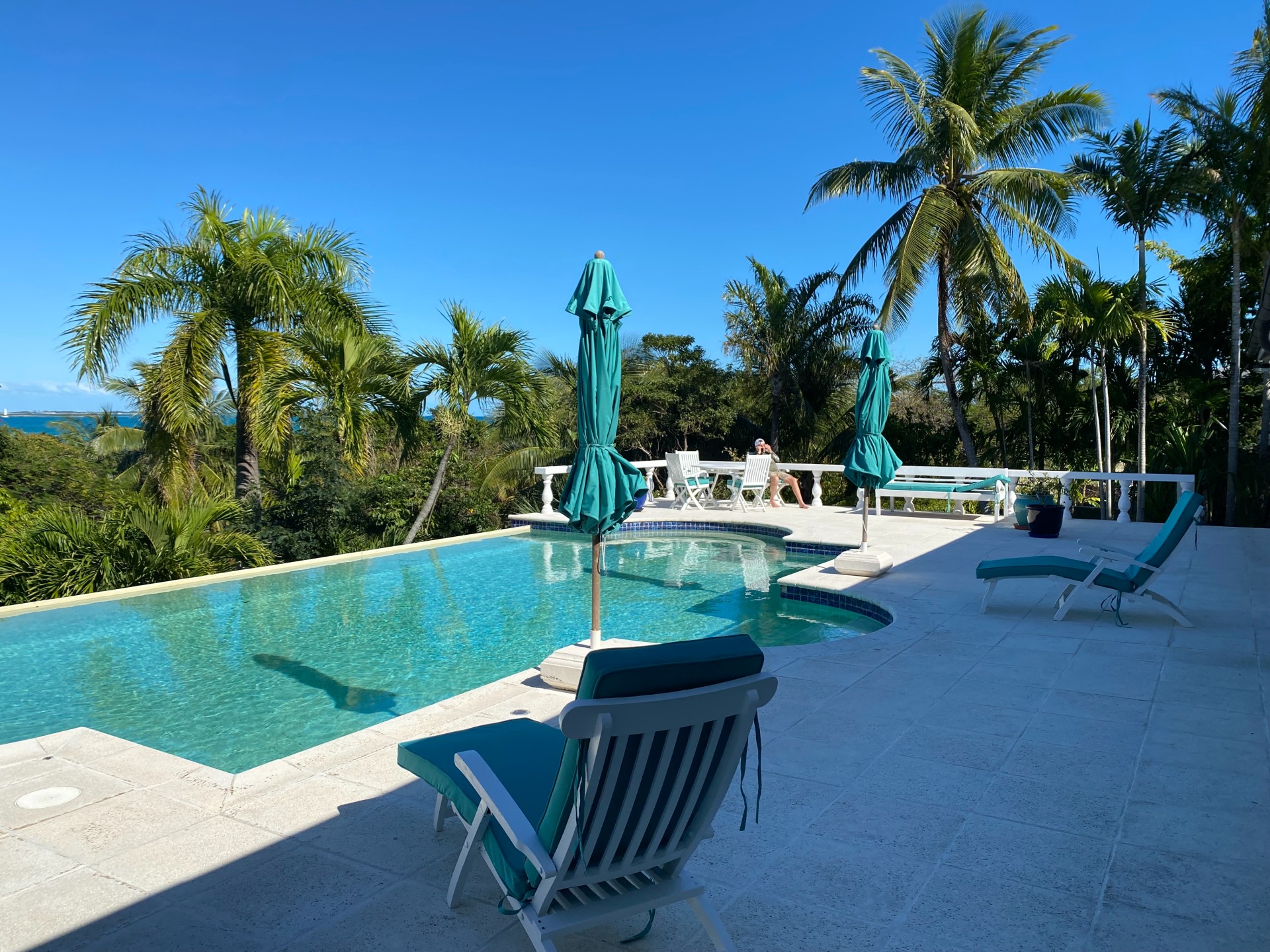
Avante Ibogaine Institute

NuMind Health