Ibogaine Treatment in Italy
Explore the legal status and practical guidance for ibogaine in Italy, plus the nearest verified ibogaine treatment centers.
Is Ibogaine Legal in Italy?
Ibogaine is illegal in Italy. It's controlled under Italian drug law. Possession, sale, and trafficking all carry criminal penalties. No licensed clinics operate inside the country. No legal medical use pathway exists.
Italy lines up with most Western European countries here. Ibogaine stays a controlled substance. Portugal decriminalized personal possession. The Netherlands leaves ibogaine in a gray area. Italy keeps strict prohibition. Get caught and prosecution follows, whatever the intended use.
In practice, Italian residents seeking treatment cannot access it at home. No hospital or clinic can administer it legally. Some try underground sources. That brings real risks: legal trouble, unknown purity, and no cardiac monitoring during a treatment that needs it.
Where People From Italy Go for Ibogaine Treatment
Italian treatment seekers usually travel abroad. Mexico is the most common destination. Clinics run legally in Tijuana, Cancun, and Playa del Carmen. Some pick Portugal for shorter travel and lighter enforcement, even though ibogaine's status there stays ambiguous.
Spain draws a few Italians because of language and distance. Ibogaine sits in a gray zone there too. Other spots include Costa Rica and certain Caribbean countries with minimal or unenforced rules.
Where people get stuck: assuming that European Union membership creates any standardization around ibogaine. It does not. Each EU country sets its own drug scheduling. Crossing Schengen borders with ibogaine stays illegal, even for personal use.
Travel logistics matter. Italian citizens enter Mexico visa-free for up to 180 days. Most clinics need stays of five to ten days. That fits inside tourist authorization.
What to Know Before Pursuing Ibogaine Treatment in Italy
If you're considering ibogaine treatment as an Italian resident, the entire journey happens abroad. This affects pre-screening appointments and aftercare planning.
Before traveling, reputable clinics will request:
- Recent ECG or EKG results (ibogaine affects heart rhythm)
- Complete blood panel and liver function tests
- Full disclosure of current medications, particularly methadone or buprenorphine
- Psychiatric history documentation
In practice, this means coordinating tests with your Italian doctor, then sending results abroad. Some physicians may be unfamiliar with ibogaine or unwilling to help with pre-screening they see as experimental. Finding a cooperative provider can take time.
Aftercare brings another issue. When you return, psychological support sits outside any ibogaine-informed system. Connecting with therapists who understand psychedelic-assisted treatment is difficult in Milan or Rome, though not impossible.
Be honest about costs. Treatment abroad typically runs between €5,000 and €15,000, not including flights, accommodation, and time off work. Italian health insurance covers none of it.
The evidence gap worth acknowledging: while clinical research on ibogaine shows promise for opioid withdrawal interruption, long-term outcomes data remains limited. You're making a decision with incomplete information. It requires clear-eyed assessment of your own situation and realistic expectations about what ibogaine can and cannot provide.
Ibogaine is not available legally in Italy
Many people from Italy travel abroad for treatment. Below are the nearest verified centers in countries where ibogaine is legal.
Nearest Ibogaine Treatment Centers to Italy

Tabula Rasa Retreat

Bwiti House

Transcend Clinic

Beond Ibogaine
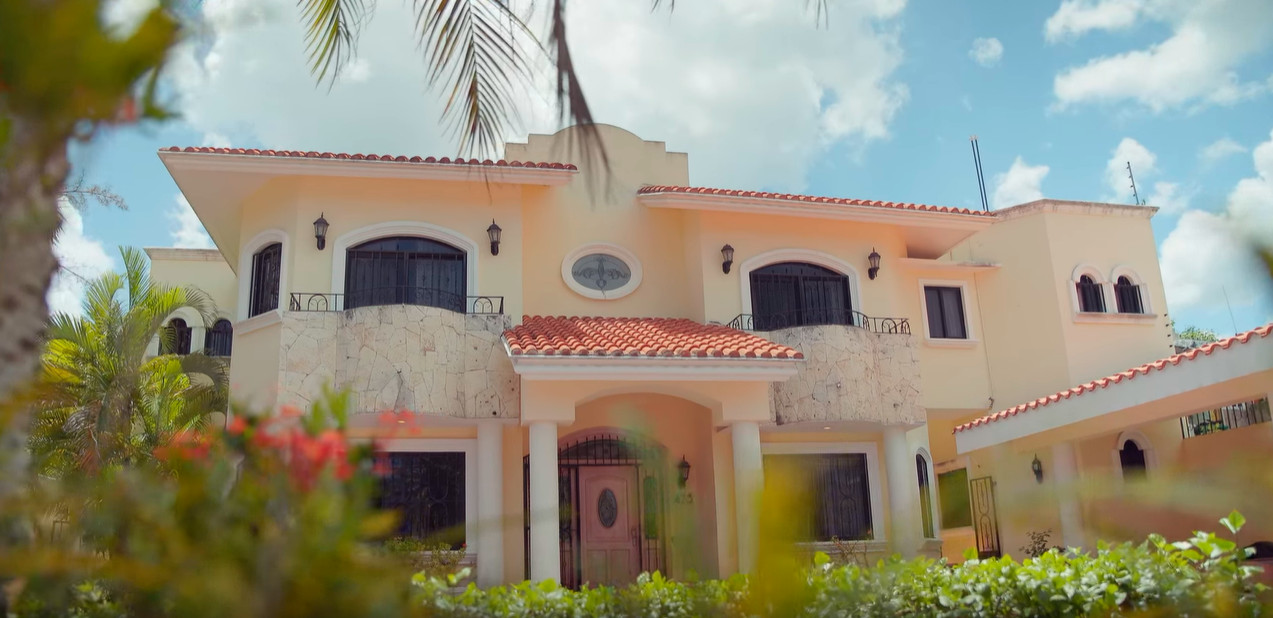
MindScape Retreat